


Your Website Relaunch Is Booked. Who Is Securing the SEO?
The launch date is set and nobody has thought about SEO yet. Nobody knows which pages bring in your leads, where every old URL goes, or what Google finds on day one. I step in on short notice and secure the migration: every redirect, indexing checked before and after launch, and the pages that drive pipeline protected through the move.


From €10,000, B2B companies only. I take on migrations for SaaS, tech, and B2B services businesses. All my prices are on the pricing page.

Is This Your Situation?
Most migration calls I take start with one of these.
The build has started. Nobody has listed which pages bring in the leads, where each old URL should redirect, or how you will know on launch day that Google still finds you.
A botched migration can set organic back by 12–18 months. The board expects the new site to grow pipeline, not to spend a year recovering.
“We handle SEO” can mean an SEO plugin got installed. Ask which pages produced last quarter’s organic leads. If nobody can answer, nobody owns SEO.
The old platform is holding you back, but the rankings built on it are yours. They need to come with you to Webflow, a headless CMS or a custom build.
What is an SEO website migration?
An SEO website migration is the process of changing a website's platform, design, structure, or domain while preserving its search rankings, organic traffic, and the leads that traffic produces. The technical move is handled by developers; the SEO migration is the workstream that decides what must survive the move and verifies that it did.
It applies whenever the change is big enough for Google to re-evaluate the site. The common triggers:
- Replatforming: moving the CMS, for example WordPress or Craft to Webflow, HubSpot CMS, or a headless setup
- Redesign with structural change: new templates, new information architecture, changed URLs
- Domain change or rebrand: the same site on a new name, the highest-risk variant
- Consolidation: merging two or more websites into one, often after an acquisition or brand merger
- International restructuring: moving markets between subdomains, subfolders, or ccTLDs
The stakes are asymmetric. Done right, a migration is invisible in the traffic data or improves it. Done without SEO ownership, the average loss is 30 to 60% of organic traffic, and the drop usually surfaces 4 to 8 weeks after launch, when the old site is gone and the cheap fixes are off the table.
How I De-Risk Your Migration
I don’t hand you a checklist and wish you luck. I embed alongside your development team and own the SEO workstream from discovery through post-launch monitoring. Here’s what that looks like in practice.
Discovery & Risk Assessment
Every migration starts with understanding what you have and what you stand to lose. I audit your existing site to identify the pages, keywords, and backlinks that drive real business outcomes—not vanity traffic. I map every revenue-generating URL so nothing critical falls through the cracks during the move.
This is also where I challenge assumptions. Your dev team might plan to consolidate 200 pages into 50. That might be the right call—or it might wipe out the 15 pages responsible for 80% of your organic leads. My job is to bring that data to the table before decisions get locked in
Migration Planning & Architecture
With the risk map in hand, I build the migration plan. This covers redirect strategy (every URL, not just the obvious ones), URL architecture for the new site, on-page SEO preservation, and internal linking structure. I work directly with your developers to ensure SEO requirements are built into the project plan—not bolted on at the end.
For B2B startups specifically, I also look at migration as a growth opportunity. A replatform is one of the few moments where you can restructure your entire information architecture without the constraints of legacy decisions. I help you build the new site for where you’re going, not just protect where you’ve been.
Execution & Launch Support
On launch day, I’m monitoring in real time. I run crawls on the live site within hours, validate redirects, check indexation, and flag anything that needs immediate attention. This is where most migrations go wrong—small errors compound quickly when search engines are re-evaluating your entire domain.
I work directly with your development team during the launch window. If something breaks, I’m the person who can tell your devs exactly what needs fixing, in language they understand, with the priority context they need.
Post-Migration Optimisation
The first 60 days after launch are critical. I monitor organic performance daily, track keyword recovery across your priority terms, and run diagnostic crawls to catch issues Google surfaces in Search Console. If anything underperforms, I identify the root cause and work with your team to fix it fast.
This phase is also where the growth opportunity kicks in. With a clean new site structure, improved technical foundation, and fresh content architecture, I help you capitalise on the migration to outperform your pre-migration baseline—not just match it.
Who owns SEO in your migration: dev agency, in-house, or specialist?
Every migration has someone building the new site. Almost none have someone accountable for what the move does to rankings and pipeline. The honest comparison:
| Dev agency handles it | In-house, next to the day job | SEO migration specialist | |
|---|---|---|---|
| Commercial triage before the build | Not their job; they build what is specced | Rarely happens; no time, no baseline data habits | Always first: priority pages and keywords named before decisions lock |
| Redirect map ownership | Technically correct, commercially blind | Often complete, rarely weighted by revenue or backlinks | Priority URLs first, backlink-weighted, tested individually |
| Platform-specific SEO risks | Knows the platform, not its ranking side effects | Learning on their own migration | Known per platform from delivered migrations |
| Post-launch monitoring | Ends at go-live | Watches total traffic, misses page-level damage | 48h, 1-week, 1-month, and 6 to 8-week reviews on priority pages |
| Accountability for traffic | None; the contract is the build | Diffuse | Explicit: the KPIs are agreed before launch |
| Cost | Included, which is why it is nobody's job | Opportunity cost of the day job | From €10,000, rising with scope |
The dev agency is not the villain here. They are usually right that the technical migration is straightforward. The gap is that nobody in the project is paid to know which 15 URLs produce 80% of the organic leads, and that gap is where the revenue goes.

Track Record: Migrations That Delivered
How my migrations perform


Mollie, the Amsterdam payments company, rebuilt mollie.com on a new platform in 2022: 2,011 pages across several markets, with SEO led in-house by me. The month after launch, organic sessions rose 9% and lower-funnel sessions 73%. The work won a Friends of Search award 2023. Read the full story.

Rentman, a B2B SaaS company in the events industry, migrated platforms while scaling organic lead generation. The new site structure didn’t just protect existing traffic—it unlocked growth the old platform couldn’t support.

Backbase, a global fintech platform, restructured 1,100+ pages across 3 languages to better serve enterprise buyers while preserving years of accumulated SEO equity. The gains concentrated exactly where they pay: their highest-value commercial pages.
Investment
I believe in pricing transparency. Here’s what a migration engagement costs and what drives the variation.
Engagement: from €10,000 over 3–4 months, and the price grows with site complexity and scope. This covers everything from the initial audit through 60 days of post-migration monitoring. All my prices, sorted by budget, are on the pricing page.
What determines the price: The main variables are the number of indexable pages on your current site, whether the migration involves a domain change, international complexity (multi-language or multi-region), and the timeline. A 200-page B2B SaaS site migrating to Webflow sits close to the starting price. A 2,000-page enterprise site with multiple subdomains and 15 language variants goes well beyond it.
What I monitor after launch, and when.
Going live is roughly the halfway point of the risk window, so monitoring runs on a fixed cadence:
- 48 hours: redirects resolving, indexation moving, staging noindex removed
- 1 week: priority-page traffic and crawl errors against the pre-launch baseline
- 1 month: the full review: sessions, conversions from organic, focus-keyword positions
- 6 to 8 weeks: the verdict review, once Google has fully processed the change
That cadence earned its keep in the Bedrijfsfitness Nederland migration: the week-one review caught a 404 spike, 26 errors jumping to 130, and the corrected redirect map shipped within days. Weekly leads still finished launch week up 21 percent.
Each review reads the same dashboard, agreed before launch: organic sessions to the priority pages, conversions from organic by type (not a blended rate), average position of the focus keyword set, branded versus non-branded click share, indexed page count, and whether the pages we rely on are still cited in AI answers. That is the difference between a monitoring dashboard and a ranking report: every number on it maps to a page someone chose to protect, so a drop has an owner and a next action.
Or start with the Migration Risk Assessment.
Not ready to commit to the full engagement? The Migration Risk Assessment (€2,500, delivered in 5 business days) quantifies the revenue your migration puts at risk, ranks the risks with a prevention step for each, gives you a go or fix-first verdict, and hands your developer the list of non-negotiables. If we work together on the migration within 60 days, the €2,500 is credited in full. The cost page has the full breakdown.
The Cost of Getting It Wrong
Consider the alternative. A typical B2B SaaS company with 500 monthly organic leads and a 30% traffic loss is looking at 150 fewer leads per month. If your average deal size is €20,000 and close rate is 5%, that’s €150,000 in lost pipeline every single month—potentially for 12–18 months while you recover.
My fee isn’t a cost—it’s insurance against revenue loss that could easily exceed 10x the investment. And unlike an agency retainer, my engagement has a clear end date. You get the migration done right, your team takes over, and you don’t pay me a monthly fee to maintain what should have been built correctly in the first place.
WHAT YOU GET
Every migration engagement includes the following deliverables. No hidden costs, no scope surprises.
SEO Migration Audit.
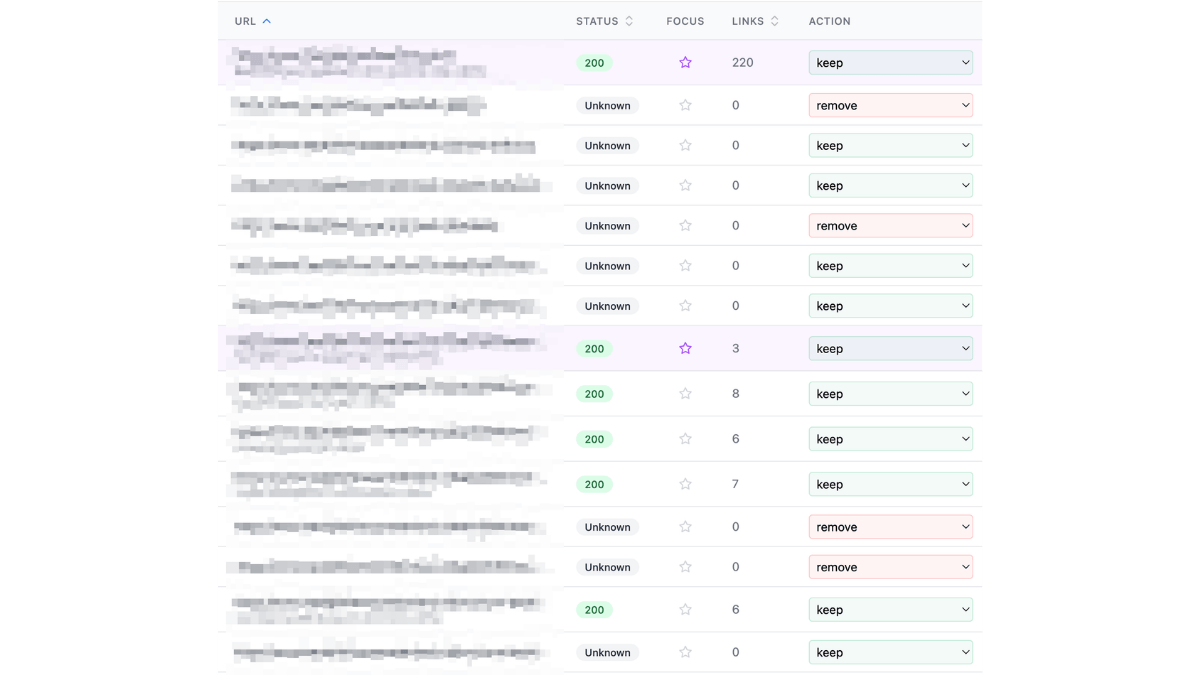
A full crawl and analysis of your existing site. I identify every page that matters to your organic performance—ranked by traffic, revenue contribution, and backlink equity. This is the foundation for every decision that follows.
Redirect Mapping.
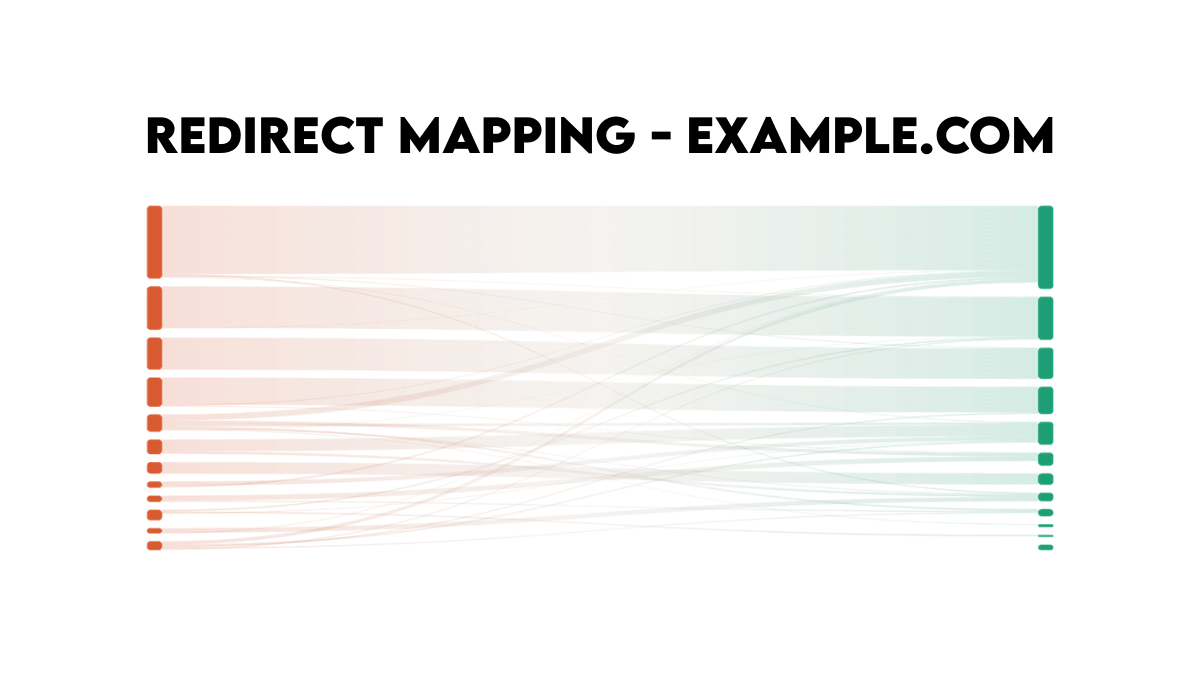
A complete URL-to-URL redirect map covering every indexable page on your current site. Not just the top 50 pages—all of them. Includes redirect chain detection, parameter handling, and recommendations for pages that should be consolidated or retired.
Traffic Risk Assessment.
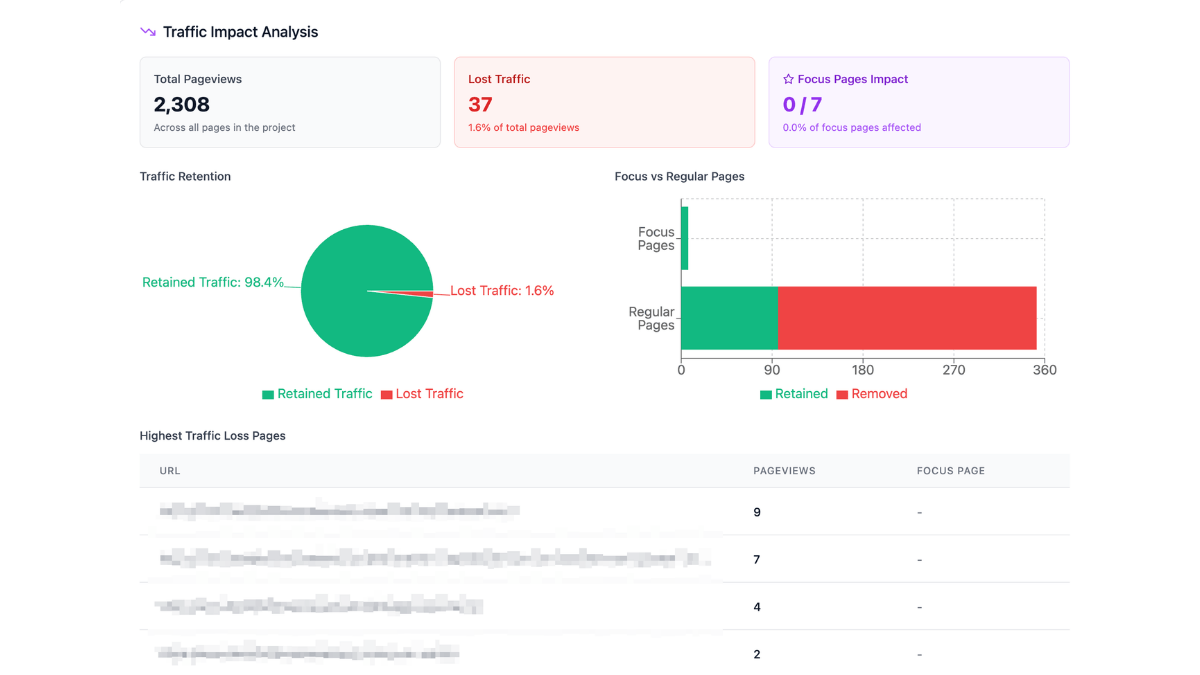
A quantified analysis of what you stand to lose if the migration goes wrong. I model the revenue impact of traffic loss at different severity levels, giving your leadership team the data they need to invest appropriately in migration quality.
Technical SEO Requirements.
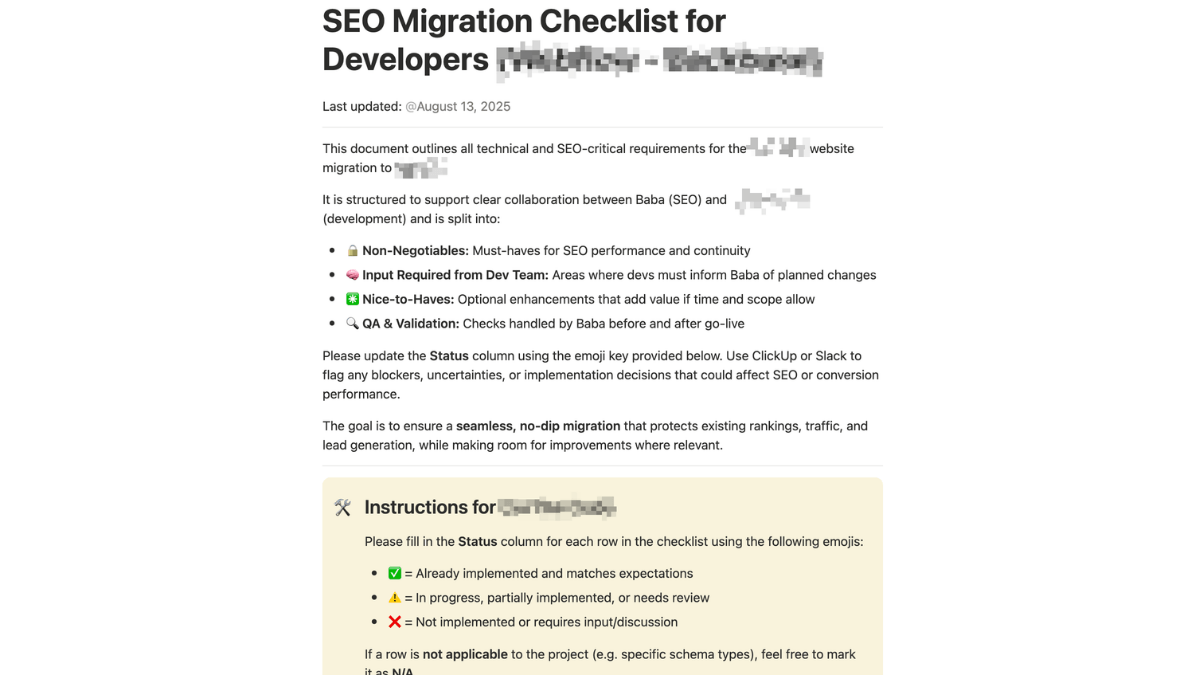
A developer-ready specification document covering URL structure, canonical tags, hreflang (if international), structured data, robots.txt, XML sitemaps, and every other technical element your dev team needs to implement correctly.
Post-Migration Monitoring.
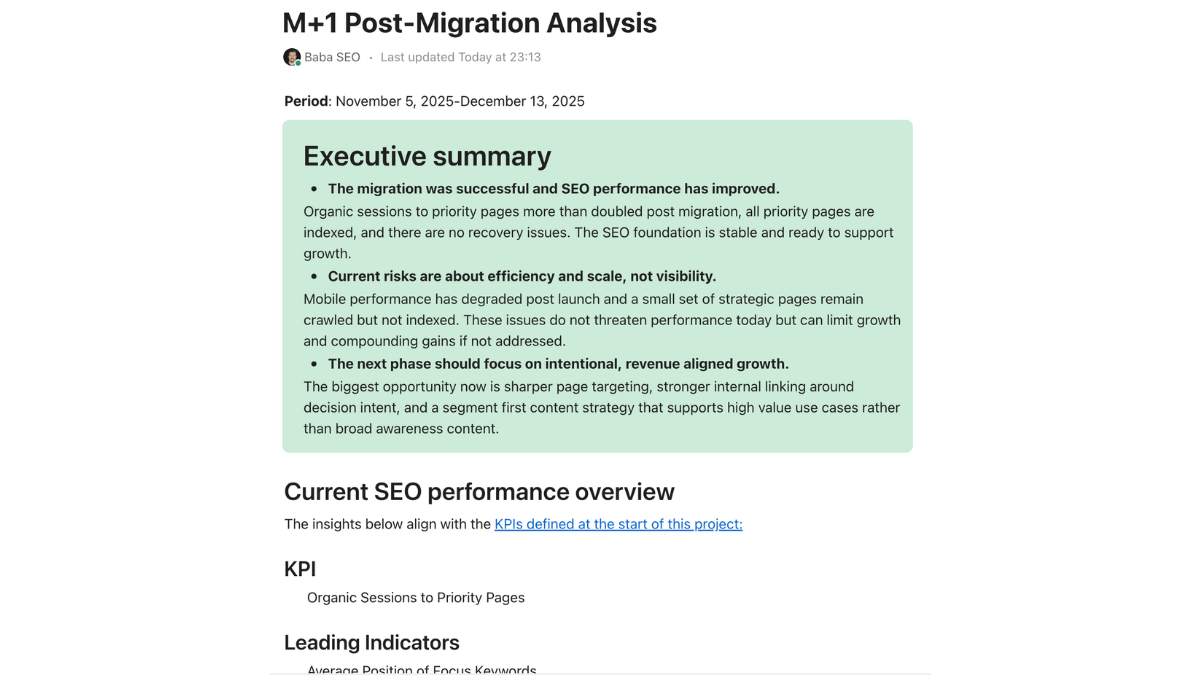
60 days of active monitoring after launch. I track keyword rankings, crawl errors, indexation changes, and organic traffic across your priority pages. Weekly reports with action items—not just dashboards.
Performance Recovery Plan.
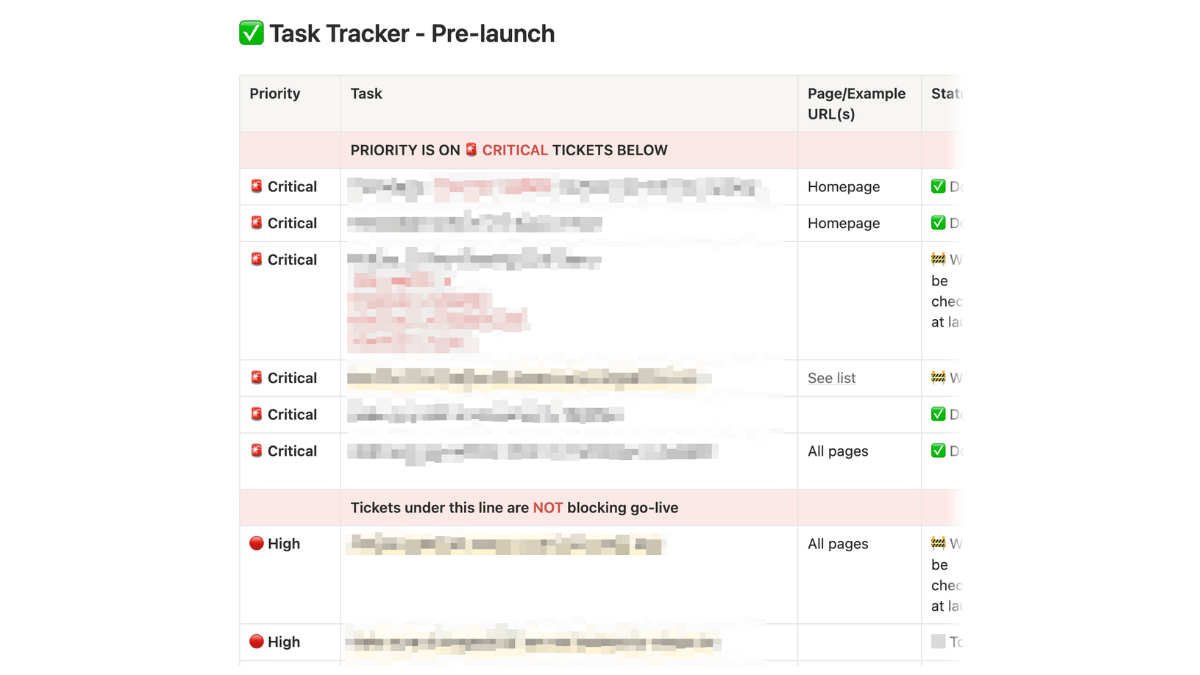
If any pages underperform post-migration, I deliver a prioritised recovery plan with specific fixes, expected timelines, and clear ownership assignments for your team.
Common Questions About Website Migration


Who you are actually hiring
I have run migrations where the traffic line did not move — including one that won a Friends of Search award. That is the whole job here: change everything, lose nothing.
I’m Baba, an independent SEO consultant helping B2B and SaaS teams grow through strategy-driven, commercially focused SEO.



DE-RISK YOUR MIGRATION

Protect your organic pipeline.
Preserve rankings through replatforming.
Turn migration into growth.
READY TO MIGRATE WITH CONFIDENCE?
Book a free 30-minute call. I'll tell you where your migration risk is concentrated, and whether the paid Risk Assessment or the full engagement is the right next step.
From €10,000, B2B companies only. I take on migrations for SaaS, tech, and B2B services businesses. All my prices are on the pricing page.

How Much Does a Website Migration Really Cost?
A transparent breakdown of migration costs for B2B companies, including the hidden costs most agencies don’t tell you about.

Why Website Migrations Fail (And How to Prevent Revenue Loss)
Data-driven analysis of the most common migration failures, with lessons from 10+ B2B replatforming projects.

The Complete SEO Migration Checklist for B2B Websites
An ungated step-by-step checklist covering every SEO element your team needs to address before, during, and after launch.

